

If you want to discover how to encourage independence in children in a light, practical way without turning your daily routine into a constant battle, know that small changes can make a huge difference in a child’s development.
Many parents end up doing everything for their children without realizing that this can limit confidence, responsibility, and independence over time. The good news is that there are simple ways to encourage independence in children during everyday life, helping kids naturally develop confidence, organization, and self-esteem.
What almost nobody realizes is that small actions repeated daily can completely transform child development.
Child independence does not mean abandoning your child or expecting maturity too early.
It means teaching simple skills that help kids build confidence, responsibility, and emotional security.
And the best part:
this can happen in a light, natural way without power struggles.
If you want to raise children who are more confident, responsible, and prepared for life, this guide will show practical strategies that actually work.
You’ll discover:
- How to encourage independence in children in everyday life.
- The biggest mistakes that can slow child development.
- How to build positive habits without pressure.
- Simple activities that strengthen independence.
- Tools and resources that make daily routines easier.
Why is encouraging independence in children so important?
Children who develop independence early in life often:
- Have more confidence.
- Solve problems more easily.
- Develop responsibility.
- Improve self-esteem.
- Handle frustration better.
- Become more organized.
Now here comes the most interesting part:
independence does not develop on its own.
It is built little by little through routines, examples, and the opportunities children receive every day.
When adults do everything for a child all the time, the child learns dependency.
When children participate in small daily tasks, they learn capability.
And this directly influences emotional, social, and even academic development.
1. Let children participate in small daily tasks
This is one of the simplest and most powerful methods.
Many adults believe children “can’t do it.”
But in reality, they simply need the opportunity.
Small tasks help develop:
- Coordination
- A sense of responsibility
- Organization
- Decision-making skills
Simple ways to start encouraging independence in children
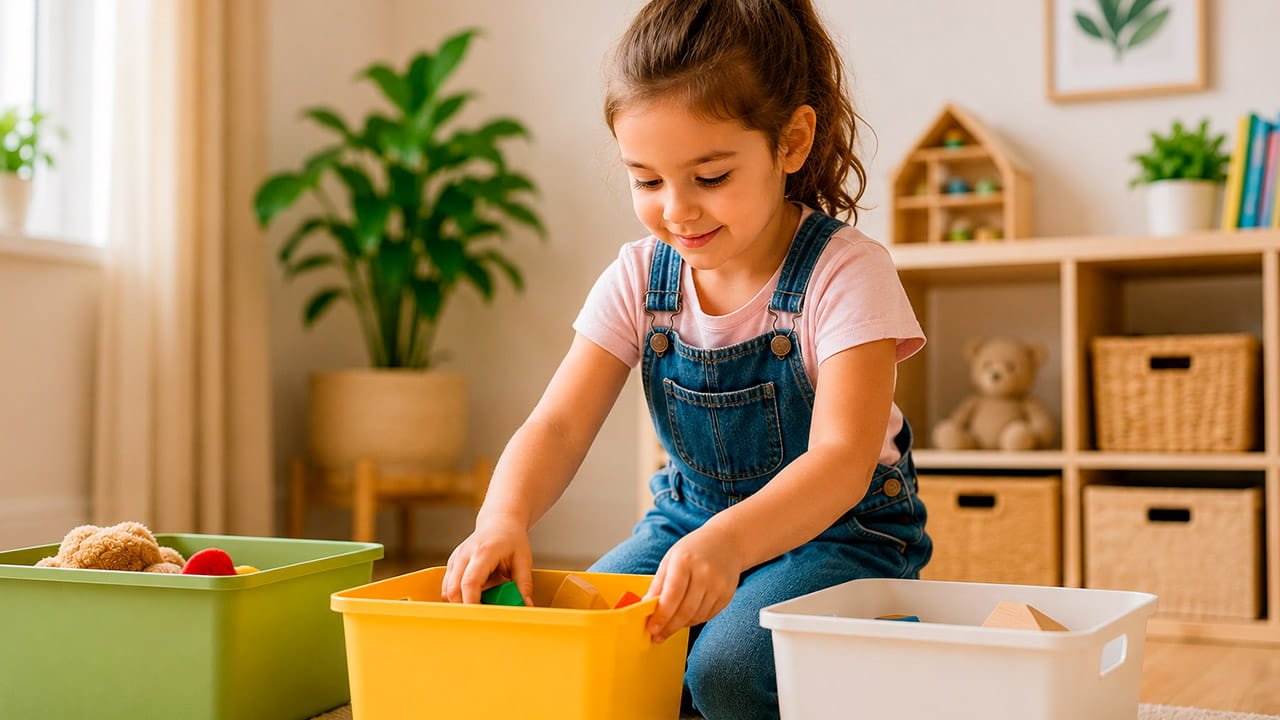
- Putting away toys.
- Sorting clothes.
- Taking their plate to the sink.
- Organizing school supplies.
- Choosing their own clothes.
- Making the bed.
This is the mistake most parents make:
expecting perfection.
At first, children will probably do everything more slowly.
And they may make a mess.
That is part of the process.
The focus is not immediate performance.
The focus is learning.
2. Create a predictable daily routine for children
Children feel safer when they know what to expect.
An organized routine reduces conflicts and helps develop independence.
When children understand the schedule and daily steps, they begin acting without needing constant instructions.
What to include in a routine to encourage independence in children
- Wake-up time.
- Meal times.
- Study time.
- Playtime.
- Bath time.
- Bedtime.
One tip that works very well is using:
- Visual charts.
- Kids’ checklists.
- Colorful calendars.
- Task organizers.
These tools help children visualize responsibilities in a fun way.
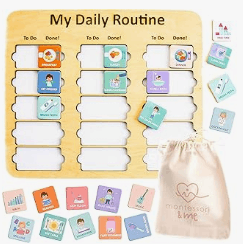
Simple tools like magnetic chore charts, kids’ planners, and educational clocks can also be excellent products to naturally include in the content through affiliate links.
Practical summary about encouraging independence in children
| Habit | Benefit |
|---|---|
| Predictable routine | More emotional security |
| Simple tasks | More responsibility |
| Daily participation | More independence |
3. Allow age-appropriate choices
Independence grows when children realize they can make small decisions.
But pay attention:
this does not mean letting children decide everything.
The secret is offering limited choices.
Practical examples that help encourage independence in children
- “Do you want to wear the blue shirt or the red one?”
- “Would you rather draw or build something?”
- “Are you going to put the toys away now or in 5 minutes?”
These small decisions strengthen:
- Self-confidence.
- Responsibility.
- Decision-making skills.
But what almost nobody realizes is that children who never make choices can become insecure even about simple decisions.
That’s why giving space for small choices is so important.
4. Stop interrupting your child’s attempts
This point changes everything.
Many adults automatically step in when a child takes too long.
They quickly tie the shoes.
Put objects away.
Complete the activity for the child.
And without realizing it, they send a negative message:
“You can’t do it.”
Now here comes the most important part:
children learn far more by trying than by getting everything right.
How to encourage independence in children without pressure
- Observe before helping.
- Give time for the attempt.
- Praise the effort.
- Avoid excessive criticism.
- Help only when necessary.
This simple change strongly strengthens child independence.
5. Use activities that encourage responsibility
There are simple activities that help develop independence without feeling like an obligation.
Good ideas for different ages that help encourage independence in children
3 to 5 years
- Putting away toys.
- Sorting clothes.
- Watering plants.
- Preparing simple snacks.
6 to 8 years
- Organizing backpacks.
- Helping set the table.
- Folding light clothes.
- Using a school checklist.
9 years or older
- Planning schedules.
- Managing school assignments.
- Helping with simple shopping tasks.
- Taking care of small responsibilities.
Educational activities, logic games, puzzles, and creative kits can also help a lot.
Besides learning benefits, these products often have excellent affiliate monetization potential.
6. Avoid using rewards all the time
Many people try to encourage independence through constant rewards.
But this can create emotional dependency.
Children may start acting only when expecting a reward.
The ideal approach is developing internal motivation.
Instead, try:
- Verbal recognition.
- Sincere praise.
- Validating the effort.
- Emotional encouragement.
Example:
“You managed to organize everything by yourself.”
“I noticed how hard you tried.”
“You’re becoming more responsible every day.”
This type of encouragement strengthens self-esteem and independence in a healthy way.
7. Be an example of organization and responsibility
Children learn far more by watching than by listening.
This may be the most powerful point of all, because when the environment is disorganized, children notice it.
When adults constantly procrastinate, children observe it.
If there is balance, responsibility, and routine, they naturally learn from it.
This is the mistake many people ignore:
trying to teach habits without practicing them.
That’s why small changes in adults can create major changes in children.
Common mistakes that hurt child independence
1. Doing everything for the child
This reduces learning opportunities.
2. Overcorrecting
Constant criticism creates insecurity.
3. Comparing children to others
Every child has their own pace.
4. Expecting perfection
Development happens through practice and mistakes.
5. Not allowing choices
Children need to learn how to make decisions.
Simple step-by-step guide to start encouraging independence in children today
Step 1 – Choose a simple task
The first step to encouraging independence in children is starting small.
Many parents try teaching several responsibilities at the same time and end up creating frustration.
The ideal approach is choosing just one simple activity that matches the child’s age.
It can be:
- Putting away groceries.
- Organizing the backpack.
- Putting clothes in the laundry basket.
- Making the bed.
- Taking the plate to the sink.
When the task is simple, children feel capable of participating.
And that increases confidence.
Step 2 – Show how to do it
Before expecting children to do it alone, calmly demonstrate how it works.
Explain step by step.
Do it together the first few times.
Children learn a lot through observation.
This moment also strengthens the connection between parents and children.
But what almost nobody realizes is that examples matter more than long explanations.
When children see adults staying organized, handling responsibilities, and maintaining healthy habits, they naturally tend to copy those behaviors.
Step 3 – Let the child try
Now comes a very important part.
After showing how, allow the child to try independently.
Even if it takes longer.
Even if it’s not perfect.
The development of child independence happens precisely during these attempts.
This is when children learn:
- Responsibility.
- Coordination.
- Decision-making.
- Independence.
Avoid doing everything quickly just to save time.
Consistent practice is what creates real learning.
Step 4 – Avoid interrupting
This is a very common mistake.
Many adults interrupt children as soon as they face difficulty.
They correct them immediately.
Or finish the task for them.
Without realizing it, this sends a message of incapability.
The ideal approach is observing before helping.
Give children time to think and try solving things on their own.
Of course support is important.
But there is a difference between helping and taking control of the situation.
Step 5 – Praise the effort
When encouraging independence in children, the focus should not be only on the final result.
Value the effort above all.
Even small achievements deserve recognition.
Simple phrases make a difference:
- “You did it by yourself.”
- “I noticed how hard you tried.”
- “You’re becoming more responsible.”
This type of encouragement strengthens self-esteem and creates healthy motivation.
Now here comes an important detail:
sincere praise works much better than constant rewards.
Step 6 – Turn it into a habit
Child independence does not develop in a single day.
It is built through repetition.
That’s why consistency is so important.
When small responsibilities become part of the routine, children begin acting naturally without depending on constant reminders.
And little by little, what once seemed difficult turns into an automatic habit.
It sounds simple.
And it really is.
But consistency makes all the difference.
How encouraging independence in children helps academic performance
Many parents notice positive changes at school when children develop independence.
Children who are more independent often:
- Have better concentration.
- Organize tasks more effectively.
- Develop responsibility.
- Build more social confidence.
- Handle challenges better.
Now here comes an important detail:
independence does not only improve behavior.
It strengthens skills that stay with children for life.
Tools and resources that help encourage independence in children
Some resources can make daily routines much easier.
Useful items to encourage independence in children
- Kids’ routine charts.
- Educational clocks.
- Kids’ checklists.
- Toy organizers.
- Kids’ planners.
- Books about responsibility.
- Educational games for children, ideas to stimulate each age group
These items are especially helpful for children who learn better visually.
They can also be naturally included as useful recommendations within the content.
 FAQ Frequently Asked Questions about encouraging independence in children
From a very early age. Small responsibilities can begin during early childhood, always respecting the child’s age and stage of development.
No. The goal is to teach independence gradually, with supervision and support whenever necessary.
The ideal approach is using positive encouragement, allowing children to try, and avoiding excessive criticism.
Yes. With routines, participation, and daily opportunities, independence can gradually be developed over time.
Doing everything for the child and not allowing them to try solving small tasks on their own.
🔗 Recommended reading on Tudum Blog
If you want to deepen your understanding of how Parenting & Education influence child development, independence, and preparation for the future, we’ve gathered all the content from this category into a complete and strategic guide on the topic.
👉 Click here to read the article.
Conclusion on how to encourage independence in children
Encouraging independence in children does not require perfection.
Nor complicated methods.
The most important thing is allowing children to participate, try, make mistakes, and learn.
Small daily actions create major results over time.
And the earlier this begins, the more natural it becomes.
Start slowly.
Choose just one simple change.
Then turn it into a routine.
With consistency, you’ll notice children becoming more confident, responsible, and prepared for life.
Click here for more content about Parenting & Education.