


Technology is no longer a topic reserved for specialists. Today, it directly influences how we work, communicate, consume, learn, and generate income. From simple digital tools to advanced innovations, understanding Technology & News has become an essential skill for keeping up with the modern world.
This article was created to serve as a complete and up-to-date guide, helping you understand the main concepts, trends, and practical applications of technology in everyday life, with a strong focus on real-world usefulness. Here, you will discover:
- What truly matters to follow in the world of technology.
- How to use innovations to your advantage, even without technical knowledge.
- How technology impacts productivity, income, and lifestyle.
- Which topics deserve attention now and in the coming years.
What is technology & news and why this topic is so relevant
Technology & News refers to the set of solutions, tools, systems, and trends designed to transform how we live, work, communicate, and consume. These innovations appear both in small everyday improvements and in large structural changes that affect entire industries and markets.
The relevance of this topic is directly connected to the speed at which technology evolves. New solutions are launched constantly, often before people have fully mastered previous ones. This creates a dynamic environment where adaptation and continuous learning are no longer advantages, but necessities.
Understanding Technology & News does not mean following every product launch or adopting every new tool that appears. Instead, it means recognizing how these innovations impact routines, professions, business models, and consumer behavior. Those who develop this critical perspective tend to make more informed decisions, whether to improve productivity, avoid waste, identify opportunities, or simply use technology more intelligently.
More than gadgets or short-lived trends, Technology & News represents deep changes in how value is created, distributed, and perceived in today’s society. That is why following this topic with balance and a practical mindset has become essential.
How technology impacts the daily lives of everyday people
You do not need to be a programmer or an engineer to benefit from technology. Today, it is present in:
- Productivity apps.
- Digital financial services.
- Online shopping and marketplaces.
- Automation tools.
- Virtual assistants.
- Remote work platforms.
These solutions save time, reduce costs, and expand opportunities, especially for those who learn how to use them strategically.
Main areas of technology that deserve attention
Artificial intelligence applied to everyday life
Artificial intelligence is no longer a distant concept and is already integrated into many tools we use daily. It appears in recommendation systems, task automation, customer support, content creation, data analysis, and much more.
The key advantage is not understanding how AI works at a technical level, but how to use it in practical ways to improve efficiency.
Automation and digital productivity
Automating repetitive tasks is one of the greatest advantages of modern technology, both for businesses and for personal use.
Benefits of automation include:
- Less time spent on operational tasks.
- More focus on strategic activities.
- Reduction of manual errors.
- Increased productivity.
Cryptocurrencies, digital assets, and new forms of value
The advancement of technology has also opened space for new forms of value in the digital environment, including cryptocurrencies, NFTs, and other types of digital assets. Even for those who do not plan to invest or participate directly in this market, understanding these concepts helps explain broader transformations taking place in the global economy.
Cryptocurrencies emerged as an alternative to traditional transaction methods, allowing value transfers without the direct involvement of banks or financial institutions. This model sparked important discussions around decentralization, financial autonomy, and new forms of trust in digital environments.
Digital assets, such as NFTs, expanded the concept of ownership in the online world. They can represent anything from artwork and collectibles to rights over content, digital products, and exclusive experiences. More than the asset itself, what stands out is the shift in how value, scarcity, and authenticity are perceived in the digital space.
These movements also reflect changes within the traditional financial system, which has increasingly begun to interact with new technologies, regulations, and business models. Banks, companies, and governments are closely monitoring this scenario, adapting their structures and creating hybrid solutions that combine physical and digital environments.
In this context, knowledge becomes more important than immediate action. Understanding how these assets work, which problems they aim to solve, and what risks are involved allows people to follow market developments with a more critical mindset and less influence from hype or exaggerated promises.
Smart devices and connectivity
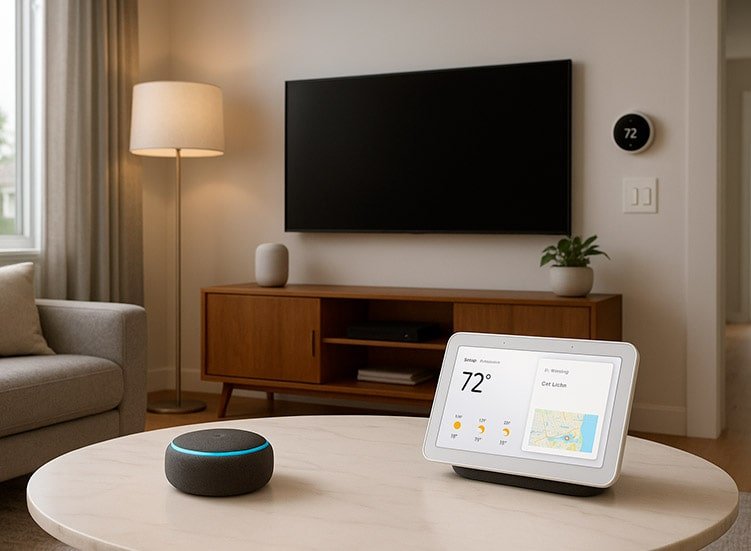
Smartphones, virtual assistants, wearable devices, and smart homes are all part of an increasingly connected ecosystem. These technologies directly impact:
- Communication.
- Personal organization.
- Security.
- Content consumption.
The better you understand these tools, the more control you have over how to use them to your advantage.
Technology as an ally for productivity and work
Technology has completely transformed the way people work. Today, it is possible to work remotely, automate processes, build digital businesses, and provide a wide range of services online.
Digital tools allow everyday people to access opportunities, or offer services that were once limited to large companies.
Technology trends shaping the future
Several technology trends have gained momentum and are already having a direct impact on how we work, consume, and make decisions. Understanding these movements does not mean adopting them immediately, but rather building awareness to make more informed choices in the present.
Generative artificial intelligence is one of the most visible technological advances of recent years. Tools capable of creating text, images, videos, and code are being used to optimize processes, reduce costs, and increase productivity across many industries. Rather than replacing people entirely, this type of technology is transforming roles and demanding adaptation and new skills.
Marketing automation has also become a powerful ally for businesses and independent professionals. Systems that automate emails, audience segmentation, data analysis, and customer interactions make it possible to scale operations without sacrificing efficiency. For entrepreneurs and communication professionals, understanding this landscape has become almost essential.
The growth of remote and hybrid work has permanently changed the relationship between technology and professional routines. Communication platforms, task management tools, and online collaboration systems have enabled new ways of working, expanding opportunities and increasing career flexibility. This trend has also driven the emergence of new income models and service-based businesses.
The so-called digital economy includes everything from selling products and services online to monetizing knowledge, creating content, and developing digital assets. This environment has expanded access to markets that were previously restricted, allowing individuals and small businesses to reach global audiences with leaner structures.
Finally, data security has become a central concern as more personal and professional information circulates in digital environments. Protecting data, understanding risks, and adopting basic security practices are no longer technical topics and have become part of the everyday life of anyone who is connected.
Understanding these trends helps avoid impulsive decisions, identify real opportunities, and better prepare for ongoing transformations. You do not need to follow everything at once, but having a clear overview of the landscape is already a significant advantage.
How to stay up to date with technology & news without feeling overwhelmed
One of the biggest challenges of following Technology & News today is dealing with information overload. New product launches, trends, and tools appear constantly, which can create the feeling that it is impossible to keep up with everything.
A healthier way to stay informed is to focus only on topics that truly relate to your routine, your work, or your personal interests. Instead of trying to follow every trend, it makes more sense to prioritize content and technologies that have practical applications in everyday life.
It is also important to respect your own learning pace. Learning gradually and consistently tends to be far more effective than trying to absorb everything at once. Following a small number of reliable sources, rather than dozens of different channels, helps reduce overload and maintain clarity.
In this process, consistency usually delivers better results than urgency.
For those who want to deepen their understanding of Technology & News in a more organized and less superficial way, reading remains one of the most effective strategies. Books about technology, innovation, and the future of work help provide context, critical thinking, and deeper insight, with far less noise than fast-paced news or social media consumption.
👉 Click here to explore a curated selection of books about technology, innovation, and the future of work available on Amazon.
Common mistakes when dealing with technology & news
Some common mistakes include:
- Thinking technology is only for specialists.
- Ignoring innovations due to fear or resistance.
- Adopting tools without understanding their purpose.
- Looking for shortcuts without a solid knowledge base.
Avoiding these mistakes already puts you ahead of most people.
Technology & news, conscious consumption, and balance
Despite all the benefits technology offers, conscious use remains a central concern. With so many tools, apps, and devices available, it is easy to fall into excess and end up using more than necessary, without real gains in productivity or quality of life.
Setting clear usage limits, choosing only solutions that truly make sense for your routine, and avoiding dependence on tools that add little value are habits that help maintain balance. Technology should act as a support system and a facilitator of everyday life, not a constant source of distraction or overload.
When used with intention and discernment, technology contributes to smarter decisions, better organization, and more free time for what truly matters.
 FAQ – Frequently Asked Questions about technology & news
No. The most important thing is to understand which technologies directly impact your routine, work, or goals. Trying to follow everything creates overload; focusing on what is applicable delivers real results.
A good approach is to see whether it solves a real problem, whether it is being adopted by companies or professionals, and whether it has practical applications beyond the initial hype.
Not necessarily. Many technological solutions are created specifically to simplify processes and reduce costs. There are affordable and even free tools that can have a significant impact on everyday life.
By setting clear usage limits, choosing purpose-driven tools, and avoiding the accumulation of apps or systems that do not provide concrete benefits to your routine.
No. Today, virtually every field is influenced by technology, whether in communication, work organization, consumption, income generation, or learning new skills.
🔗 Recommended readings on technology & news
-
- Electronic device insurance, How to choose the right plan and avoid costly disruptions in your daily life
- How to Investing in cryptocurrencies with little money, a complete beginner’s guide
- What are NFTs? A practical step-by-step guide to create and sell yours
- AI tools for digital marketing automation, the Ultimate Guide
- How to use virtual assistants: Alexa, Google, and Siri to boost productivity, save time, and money
- Apps to boost productivity, 6 free tools and more practical tips
- Remote work as a virtual assistant, discover opportunities in the market
- Artificial intelligence in commerce, learn how to use it to personalize customer service, products, and services
Conclusion about technology & news
Technology & News are not just passing trends, they are tools that shape the present and help build the future. Understanding how they work and how to apply them in practical ways leads to greater autonomy, productivity, and opportunity.
This pillar article was created to serve as a central knowledge hub, connecting different pieces of content and helping you navigate the technological landscape with greater clarity.
By exploring the satellite articles, you can dive deeper into specific topics and build a complete perspective on how technology can work in your favor.
👉 Click here for more content about Technology & News.