

Creating a balanced life today for a pet requires understanding their instincts, adapting to the available space, and being responsible toward the surrounding environment, always seeking to integrate pet’s and nature in a light and healthy way.
According to the American Pet Products Association, the global number of pets has already surpassed one billion.
The pet market moves hundreds of billions of dollars annually, reflecting the central role animals now occupy in modern families.
In Europe, data from FEDIAF indicates continuous growth in the number of households with dogs and cats. At the same time, reports from the United Nations show that most of the world’s population now lives in cities.
This combination creates a challenging scenario. Animals with deep natural needs increasingly live in built, controlled environments that are often limited in space and stimulation. The central question is not whether urban life is suitable or not, but how to make it more balanced and natural within existing conditions.
Pet’s and nature and the balance between instinct and environment
Dogs and cats have not lost their instincts simply because they live in apartments or urban homes. What has changed is the environment where those instincts need to be expressed.
Dogs remain guided by exploration, scent, and social interaction. Cats maintain territorial behavior, a need for observation, and predatory stimulation. When the environment does not provide opportunities to express these behaviors in a healthy way, signs such as anxiety, apathy, or hyperactivity may appear.
Balance means recognizing these patterns and adapting both space and routine so the animal can use its natural abilities safely.
This may involve simple changes, such as allowing walks to become moments of real exploration rather than just physical movement. It can also mean creating elevated spaces where cats can observe their surroundings or offering toys that stimulate reasoning instead of only encouraging passive energy release.
Balance is not excess stimulation, but appropriate stimulation.
Creating a more balanced, safe and natural life for your pet
Creating a balanced life for an animal begins with understanding that well being is not only about food and the absence of illness, but also about the presence of conditions that allow healthy expression of natural behaviors. Within the concept of pet’s and nature, balance means integrating safety, predictability and stimulation within the same living environment.
Home safety is the first foundation. An indoor environment needs to be considered from the animal’s perspective, not only from human aesthetics. Small objects within reach, exposed wires, accessible cleaning products and other seemingly harmless items can represent silent risks.
When the space is adjusted to prevent accidents, the pet gains safe freedom to explore without constant restriction. This reduces tension for both the owner and the animal.
Routine predictability also plays a fundamental role. Animals orient themselves through patterns. Relatively consistent times for feeding, walks and rest create a sense of emotional stability. This organization does not require absolute rigidity, but enough consistency for the pet to understand the rhythm of the home. When the day has structure, anxiety tends to decrease and unwanted behaviors become less frequent.
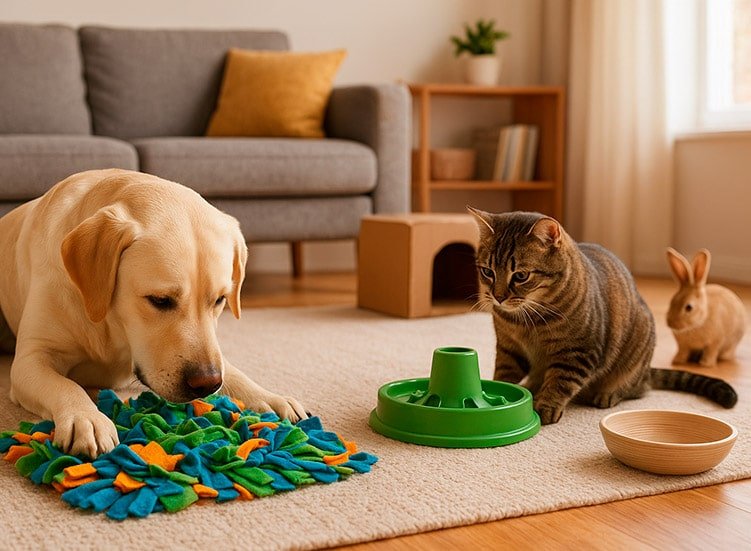
However, predictability should not turn into monotony. Mental stimulation is essential to maintain cognitive balance. Dogs need to explore scents, solve small challenges and interact actively with the environment. Cats need to observe, climb, chase simulated prey and exercise territorial control.
The absence of this enrichment can lead to frustration and apathy. Offering challenges appropriate to the species is a way of respecting their nature within the limits of the available space.
Contact with natural elements expands this balance. Even in dense urban centers, it is possible to seek green areas, vary walking routes and allow controlled exposure to natural light. Different surfaces, environmental sounds and external smells contribute to emotional regulation. Nature acts as a stress modulator and expands the animal’s sensory repertoire.
Conscious consumption completes this practical structure. Choosing durable, safe products aligned with responsible practices reduces environmental impact and avoids unnecessary accumulation of objects. The logic is not quantity, but quality. Within the pet’s and nature concept, every purchasing decision also becomes part of care.
Creating a more natural life does not require returning to an idealized rural setting. It requires adapting the modern environment to respect ancient instincts with responsibility.
Safety as a fundamental part of the natural
Many people associate natural living with unrestricted freedom, but safety is an inseparable component of well being.
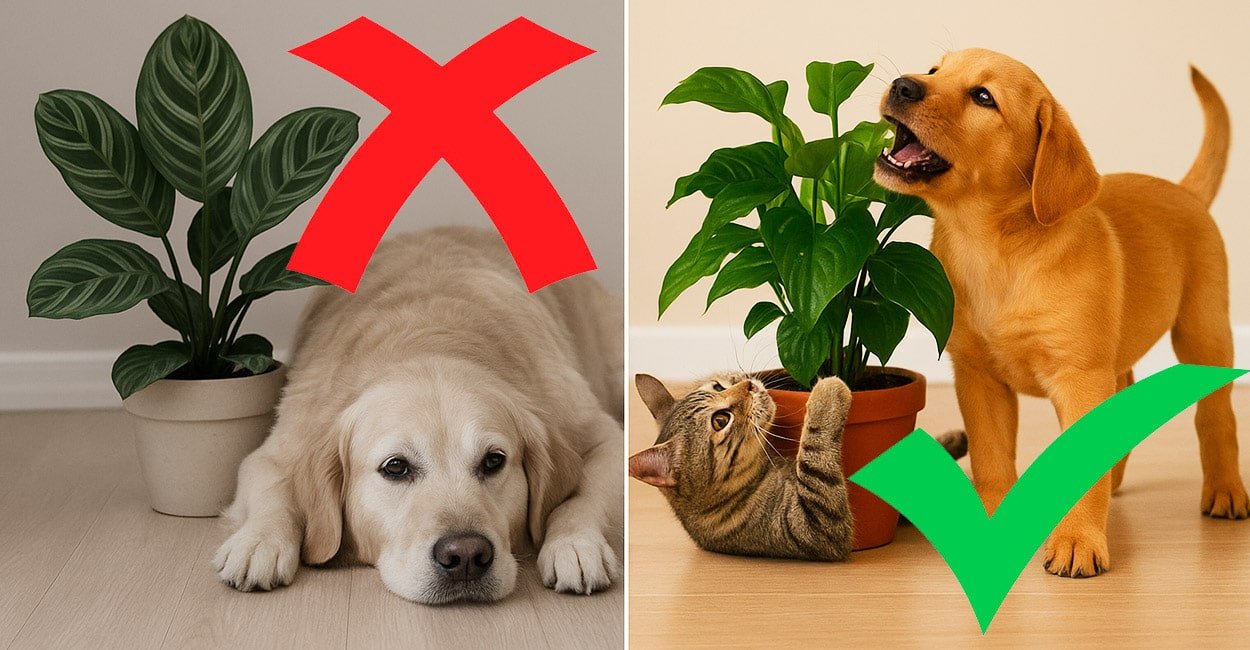
Indoor environments need to be adapted to prevent the ingestion of dangerous objects, access to chemical products, and contact with potentially toxic plants. Walks should respect local regulations, leash use when necessary, and proper identification for the animal.
In areas close to nature, care should be even greater. Trails and parks may host sensitive wildlife. Uncontrolled interaction can cause ecological impact or pose risks to the pet itself.
Creating a natural life does not mean ignoring limits, but establishing conscious boundaries that protect both the animal and the environment.
Pet’s and nature and urban biodiversity
Cities are not empty environments. Birds, pollinating insects, small mammals, and reptiles have adapted to urban centers. The presence of domestic animals has become part of this ecosystem.
Balanced coexistence depends on responsibility. Cats with unrestricted outdoor access can affect bird populations in some regions. Dogs roaming freely in natural areas may disturb local wildlife.
This does not turn pets into environmental villains, but it reinforces the importance of conscious management. Enriched indoor environments, supervision in outdoor areas, and respect for conservation rules contribute to collective balance.
At the same time, urban green spaces directly benefit the physical and mental health of both animals and their owners. Reconnecting with natural spaces reduces stress and strengthens the human animal bond.
The pet’s and nature concept is based on three pillars: safety, behavioral expression, and environmental responsibility.
It reflects a systemic perspective in which individual well being is connected to the balance of the shared environment.
Sustainability and conscious choices within the pet’s and nature concept
The global growth of the pet industry has brought increased production of processed foods, accessories, and packaging. This expansion also creates environmental impact that must be considered.
Consumers are increasingly attentive to product origin, durability, and the sustainable practices of brands. Choosing long lasting items, avoiding waste, and prioritizing quality instead of volume are attitudes that align individual care with environmental responsibility.
Nutrition also enters this discussion. Research explores sustainable protein alternatives and ways to reduce the environmental impact of the supply chain. Although the topic continues to evolve, the trend points toward greater integration between the pet industry and sustainability.
Caring for animals also involves considering the collective impact of these choices.
Technology and adaptation to modern life
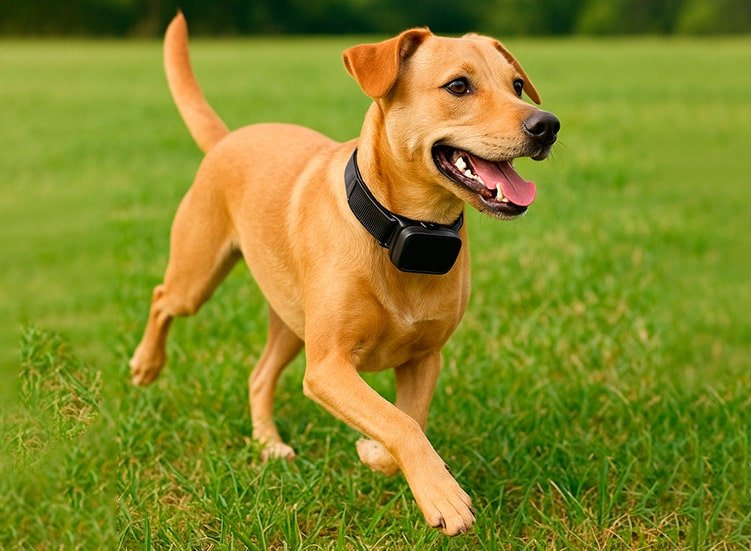
Monitoring devices, indoor cameras, and trackers offer important support for safety. They make it possible to monitor behavior and react quickly in unexpected situations.
However, technology should complement human presence rather than replace it. Real interaction, attentive observation, and quality time remain the foundations of balance.
Modern life brings time challenges, but commitment to well being requires conscious planning of daily routines.
How to build a healthier relationship between your pet and the environment
If the first dimension is practical, the second is relational and involves a broader view of coexistence. pet’s and nature also relates to how the animal integrates into the surrounding social and environmental ecosystem.
Behavioral observation is the starting point. Animals communicate discomfort and needs through subtle signals. Changes in appetite, sleep patterns, or willingness to interact may indicate that something in the environment is not well adjusted. An attentive owner does not react only when the problem becomes obvious. Instead, routines and spaces are adjusted continuously based on these signals.
Environmental adjustments are part of this ongoing process. Small modifications in furniture layout, the creation of new resting spots, or changes in daily schedules can completely transform a pet’s emotional balance. The space is not static. It should evolve as the animal grows, ages, or changes behavior.
Collective responsibility is also part of this coexistence. Animals are members of the community. In public spaces, the owner’s behavior directly influences social perceptions about pets. Respecting local regulations, cleaning up waste, and maintaining proper control during walks demonstrate commitment not only to the animal but also to the shared environment.
The relationship between owner and animal is the core of this structure. When built on trust and consistency, it allows the pet to explore the world with greater emotional security. Daily interaction, quality time, and clear communication strengthen this bond and reduce behavioral conflicts.
Finally, responsible behavior in public spaces expands the concept of nature beyond the domestic environment. Parks, squares, and urban trails are collective spaces for coexistence. The responsible presence of pets in these locations depends on ecological awareness and respect for preservation and safety rules.
Building a healthy relationship between an animal and its environment means recognizing that each individual action has a systemic impact. Understanding and living the pet’s and nature concept, in this sense, is not only a guide for care but also a proposal for maturity in the way humans integrate their animals into the world.
 (FAQ) Frequently asked questions about pet’s and nature
It means integrating natural instincts, safety, and environmental responsibility into a pet’s daily routine, regardless of the environment where it lives.
Yes. The determining factor is the quality of the physical and mental stimulation offered, along with a predictable routine and access to safe outdoor environments.
Balance comes from allowing natural behavioral expression within boundaries that protect both the animal and the local ecosystem.
Urban life can create challenges, but with proper planning it is possible to build a balanced and healthy environment.
Yes. It includes conscious consumption choices, respect for biodiversity, and concern for environmental impact.
🔗 More reading tips about pet’s and nature
- Dogs at the Beach, A complete guide to visiting the coast safely and responsibly with your dog
- Toxic and pet-safe plants, a complete guide to what can (and can’t) enter your home
- Mental stimulation for pets, 10 signs your furry friend is bored and needs more enrichment
- GPS Dog Tracker, Complete guide to choosing the best model
- Make extra income with Pets, 7 real ways to profit in this market
Conclusion about the pet’s and nature concept
Creating a more balanced, safe, and natural life for an animal in different environments does not depend only on the physical space available. It depends on the owner’s intention to understand instincts, adapt routines, and act with environmental responsibility.
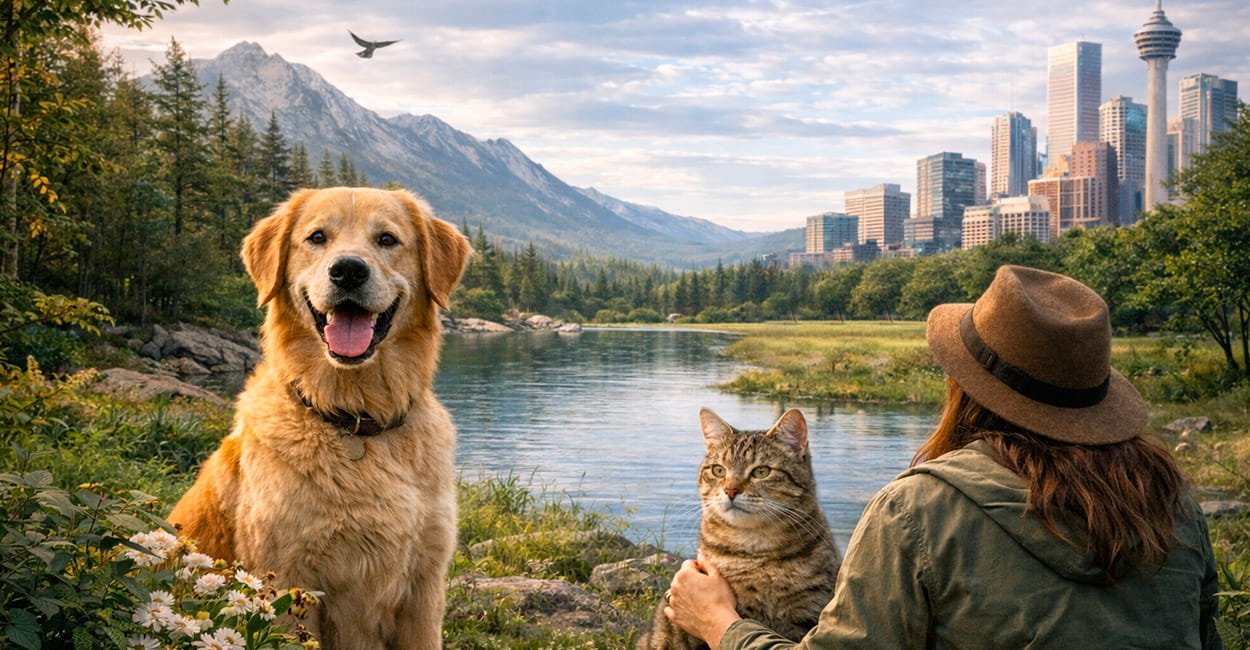
The pet’s and nature concept proposes a conscious coexistence in which cities and nature are not opposites, but complementary. When daily care considers behavior, safety, and environmental impact, the relationship between humans, animals, and the environment becomes more harmonious and sustainable.
Click here for more content about the Pet’s and Nature universe.