

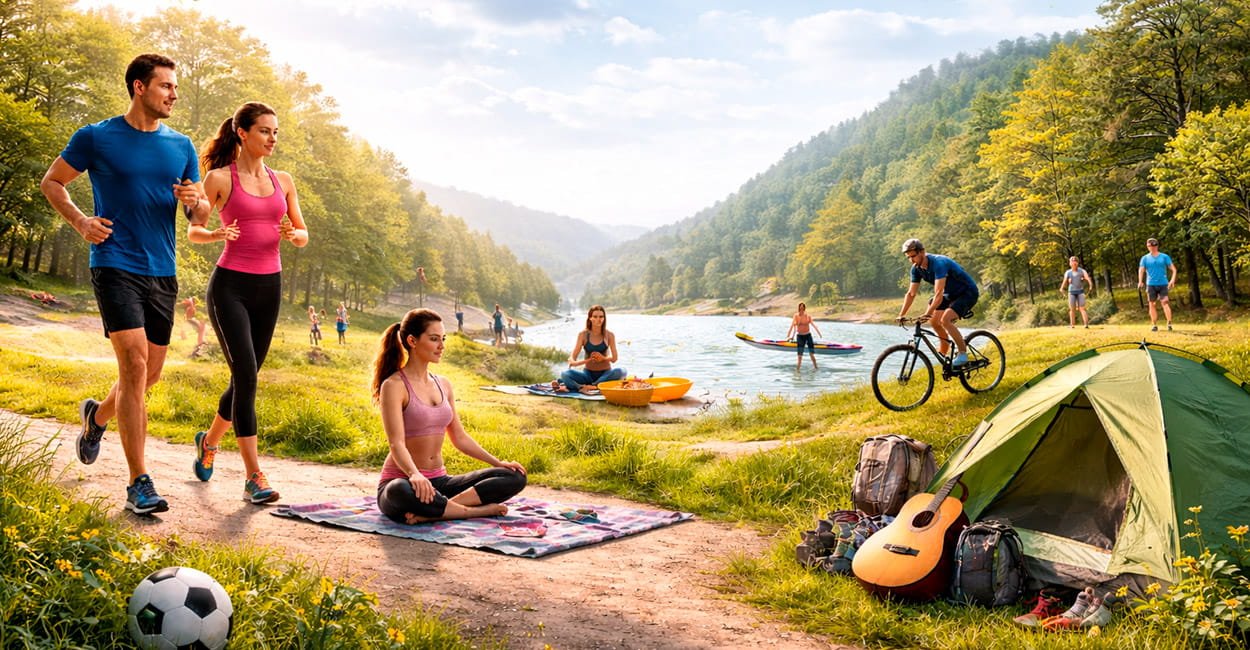
Sports and leisure go far beyond simply keeping the body active. They are part of a more balanced lifestyle, helping to relieve stress, improve mental well-being, and create moments of enjoyment within an increasingly fast-paced daily routine.
In this practical guide, you will learn how to choose physical activities and leisure options that truly match your personal profile, your current stage of life, and your goals, without rigid formulas or unrealistic expectations. The idea is to show that it is possible to improve your routine, take care of your health, and still have fun, while respecting your limits and preferences.
Why sports and leisure are so important in modern life
In a context where work demands, personal commitments, and constant digital stimuli compete for attention, sports and leisure play a strategic role in physical and mental balance. They are not isolated practices, but tools that help the body and mind cope more effectively with the overload of modern life.
Sports provide structured stimulation for the body, promoting strength, endurance, mobility, and discipline. Leisure, on the other hand, creates space for emotional recovery, creativity, and enjoyment, essential elements for maintaining consistency in any healthy routine. When these two pillars are missing, signs of wear and imbalance often appear, such as persistent fatigue, lack of motivation, and difficulty concentrating.
Rather than choosing one over the other, the greatest benefits arise when sports and leisure coexist. Simple activities such as walking outdoors, dancing, practicing a sport recreationally, or dedicating time to a hobby help reduce accumulated tension and make self-care feel more natural and sustainable.
By integrating movement and enjoyment into daily life, physical activity stops being seen as an obligation and becomes part of a personal lifestyle. This balance is what allows active habits to be maintained over time, without guilt, excessive pressure, or frustration.
Benefits of including sports and leisure in your routine
Including sports and leisure moments in your daily routine offers benefits that go beyond physical health. Regular practice contributes to higher energy levels, improved mobility, muscle strengthening, and long-term independence, especially when activities are adapted to each person’s reality.
From a mental and emotional perspective, sports and recreational activities help relieve accumulated stress, improve mood, and increase the overall sense of balance in daily life. Short leisure breaks reduce emotional overload and make the day more productive and enjoyable, without the constant feeling of exhaustion.
These benefits also extend to social life. Group activities, recreational sports, and shared hobbies strengthen relationships, encourage interaction, and create opportunities for meaningful connection, key factors for overall well-being.
Not surprisingly, international organizations such as the World Health Organization (WHO) recommend that adults engage in at least 150 minutes of moderate physical activity per week, or an equivalent combination, as a way to promote health, prevent disease, and improve quality of life. This recommendation reinforces that movement, combined with leisure, should be a consistent and accessible part of everyday life.
Types of sports: main categories to know
There are several ways to classify sports. Below are the most common categories, with practical examples.
Individual sports
These are practiced independently, even when performed alongside others. The focus is on personal performance.
Examples:
- Running.
- Swimming.
- Cycling.
- Tennis.
- Martial arts.
- Athletics.
These sports are ideal for those who value autonomy, personal goals, and flexible schedules.
Team sports
They involve teams or pairs and depend on cooperation among participants.
Examples:
- Soccer.
- Volleyball.
- Basketball.
- Handball.
- Rugby.
In addition to physical benefits, team sports encourage communication, teamwork, and a sense of belonging.
Outdoor sports
These take place in natural environments or open spaces, combining physical activity with contact with nature.
Examples:
- Walking.
- Hiking.
- Surfing.
- Climbing.
- Stand-up paddleboarding.
These activities often provide additional mental health benefits, such as stress reduction and improved mood.
Alternative and unconventional sports
Not all sports are traditional. Some lesser-known practices combine creativity, fun, and movement.
Examples:
- Competitive frisbee.
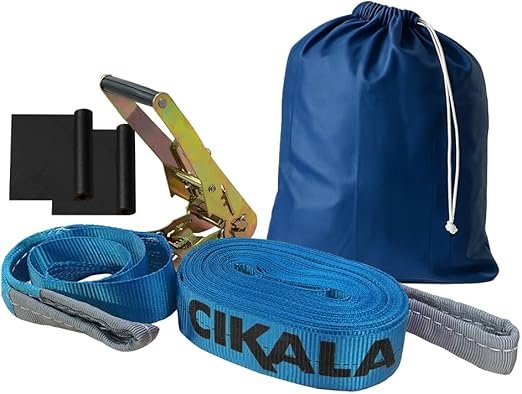
- Slackline.
- Parkour.
How to choose the ideal sport or leisure activity for you
Choosing the right activity involves considering personal preferences, current fitness level, available time, and individual goals. Some people adapt better to intense activities, while others prefer lighter and more consistent practices.
If you are unsure whether to choose intense sports like running or gentler options such as yoga, it depends on what suits you best…
- Running: ideal for those seeking cardiovascular conditioning, intensity, and physical challenge.
- Yoga: better suited for balance, flexibility, and stress reduction. When to choose each:
- If your goal is to build endurance and work up a sweat → choose running.
- If you want mental focus and deep stretching → choose yoga.
Considering the available environment, such as parks, gyms, or even your own home, also helps make the choice more realistic and easier to maintain over time.
Choosing the right activity helps avoid frustration and significantly increases the chances of long-term consistency. To achieve this, it is important to evaluate a few key points.
1. Your lifestyle
Ask yourself:- Do you have little or plenty of free time?
- Do you prefer activities at home or outdoors?
- Do you enjoy a fixed routine or variety?
2. Your personality
Your personality directly influences the ideal choice:- More introverted individuals often enjoy individual activities like yoga, running, or strength training.
- Social people tend to adapt better to team sports, group classes, or shared hobbies.
3. Your current fitness level
Beginners should prioritize low-impact activities to reduce the risk of injury and avoid early dropout, such as walking, Pilates, swimming, or cycling.Active leisure: when fun also involves movement
Active leisure includes activities that are not necessarily formal sports but still require body movement and active participation.
Examples of active leisure
- Dancing.
- Recreational games.
- Outdoor play.
- Hands-on hobbies involving movement.
- Activities in parks and open spaces.
These practices are excellent options for people who do not identify with competitive sports but want to reduce sedentary habits.
Creative hobbies as a form of leisure
Not all leisure activities need to be physical. Creative hobbies also play a fundamental role in emotional balance.
Examples:
- Photography.
- Painting.
- Gardening.
- Music.
- Handicrafts.
Many creative hobbies can be combined with outdoor activities, creating an even richer and more enjoyable experience.
The impact of sports and leisure on mental health
The impact of sports and leisure on mental health goes far beyond simple distraction. Regular activities help reduce accumulated tension, improve sleep quality, and increase the sense of control over one’s daily routine. Time dedicated to leisure also supports focus, creativity, and self-esteem, especially when the chosen activity respects personal rhythm and preferences. More than performance, consistency and enjoyment are the key factors for maintaining healthy habits in the long term.Summary of the main positive effects
- Release of endorphins (the “feel-good” hormone).
- Reduction of stress levels.
- Improved self-esteem.
- Greater sense of purpose.
- Reduced social isolation.
Sports and leisure across different stages of life
Each stage of life requires different care and choices. The key is to adapt activities to each person’s reality.
Children and teenagers
Playful activities, team sports, and outdoor play support physical, social, and emotional development.- Team sports.
- Outdoor games.
- Play-based activities.
- Educational games that stimulate coordination and social interaction.
Adults
Adulthood calls for activities that fit into daily routines and help relieve stress, such as strength training, running, dancing, or recreational sports.- Stress-management activities.
- Regular exercise.
- Recreational sports.
- Leisure as a break from professional routine.
Older adults
For older adults, the focus should be on balance, mobility, and gentle strengthening, with options such as walking, water aerobics, Pilates, and stretching.- Light walking.
- Stretching.
- Recreational activities.
- Low-impact exercises.
The importance of leisure in balancing modern life
In a routine shaped by intense work demands, constant digital stimulation, and limited true rest, leisure has become more than occasional entertainment. It is now an essential element for emotional balance, mental health, and sustainable productivity over time. Unlike passive rest, such as simply watching television or scrolling through social media, intentional leisure involves activities that provide enjoyment, autonomy, and mental disengagement from daily obligations. When chosen wisely, leisure acts as a natural regulator of stress, helping the body and mind recover from accumulated strain. Ignoring leisure time can lead to subtle but persistent effects, including reduced concentration, irritability, constant fatigue, and burnout. On the other hand, incorporating enjoyable activities into daily life improves focus, boosts creativity, and fosters a healthier relationship with time and work.Leisure is not a waste of time, it is a well-being strategy
Leisure works as an active pause, reducing emotional overload and preparing the mind to better handle daily challenges. Integrating leisure into daily routines should not be seen as a luxury, but as a core part of balancing productivity, health, and overall well-being.Leisure activities that do not require a gym or equipment
Leisure does not need financial investment, gym memberships, or specialized equipment. Many accessible options can be practiced at home, outdoors, or in short breaks throughout the day, respecting different profiles and energy levels.Simple and effective options include:
- Walking in parks or quiet neighborhoods, combining light movement with exposure to open environments.
- Dancing at home, using music that brings enjoyment and relaxation, without performance pressure.
- Guided stretching or gentle body practices, ideal for relieving accumulated tension.
- Recreational games, such as cards, puzzles, or board games.
- Hands-on creative activities, such as drawing, painting, crafting, writing, or gardening.
How to integrate leisure into your routine without guilt or frustration
One of the biggest barriers to including leisure in daily life is guilt or the feeling that there is “not enough time.” The key is to adapt leisure to your personal reality, rather than trying to fit your life around it.
Some simple strategies include:
- Scheduling small blocks of time throughout the week.
- Linking leisure to transition moments (after work or before bedtime).
- Choosing activities that match your daily energy levels.
Most importantly, leisure should be experienced as a genuine moment of enjoyment, not as another obligation on your schedule. Even short periods, when practiced consistently, can already have a positive impact on overall well-being.
How to start investing your time in sports and leisure without giving up
To avoid giving up, the best approach is to start gradually and build a routine that is realistic and sustainable. Setting flexible schedules, defining simple goals, and respecting personal limits are strategies that greatly increase long-term consistency.
The key is to turn the activity into an enjoyable habit rather than an obligation. Regular practice, even in short sessions, tends to deliver more consistent results than intense but sporadic efforts.
Even for professional athletes, sports and leisure will always be allies
Although different in nature, leisure and sports complement each other. While sports often involve more defined goals, such as physical conditioning or performance, leisure brings lightness, freedom, and emotional recovery. When combined, they help build a more balanced and sustainable routine.
By respecting personal rhythm and alternating physical activity with moments of leisure, it becomes possible to maintain healthy habits without overload, making self-care for both body and mind more enjoyable and long-lasting.
How to include more sports and leisure in everyday life
Including sports and leisure activities in your routine does not need to be radical or difficult to maintain. In most cases, small choices made throughout the week already make a difference. A light walk after work, a few minutes dedicated to an active hobby, or even a conscious movement break can transform how you experience your day.
The most important thing is to start with simple activities that fit your current reality. Trying different options over time helps you discover what truly brings enjoyment, without the pressure of “having to like” something specific. When possible, involving friends or family also makes leisure more natural and enjoyable, creating moments of connection beyond physical movement.
More than intensity or performance, consistency is the factor that truly generates benefits. Activities practiced regularly, even at a light level, contribute to a more balanced routine with greater energy and well-being in everyday life.
Small changes can already lead to big results.
 FAQ – Frequently Asked Questions about sports and leisure
1. Which sports are ideal for people who don’t like going to the gym?
There are several sports and leisure activity options outside the gym environment, such as outdoor walking, cycling, water sports, dancing, hiking, and group recreational activities, which help keep the body active in a more enjoyable way.
The best choice takes into account your routine, personal preferences, energy level, goals, and available time. Leisure activities should adapt to your daily life, not create additional pressure or frustration.
Yes. Light to moderate activities, such as walking, stretching, yoga, or recreational sports, already provide benefits for both body and mind when practiced regularly.
There is no single ideal number. The most important factor is consistency. Even a few weekly sessions of sports or active leisure already contribute to a more balanced and healthy routine.
Choosing short, flexible activities close to home, such as walking, functional exercises, outdoor leisure, or quick recreational practices, makes inclusion easier without compromising the routine.
Yes. Regular practice of sports and leisure activities stimulates the release of hormones related to well-being and creates important mental breaks in daily routines.
🔗 Recommended readings on sports and leisure
From here, you can dive deeper into specific activities, understand which sport best matches your profile, or explore leisure options for different stages of life. Our Sports & Leisure content was created to support this journey in a practical and realistic way.
Check out all the related articles already published on our blog. They are highly complementary reads and can help you explore, learn, and discover more about sports and leisure.
Click on one of the titles below to read the article:
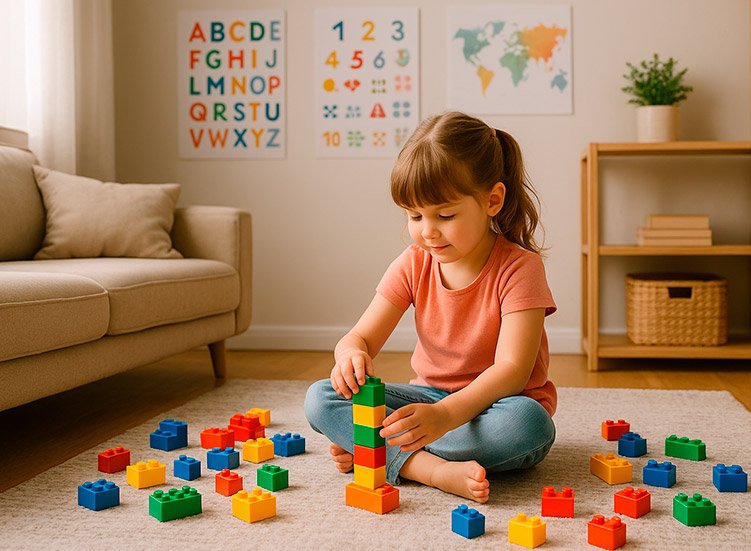
- Educational games for children, ideas to stimulate each age group.
- Creative hobbies, The ultimate guide to fun activities beyond the screen.
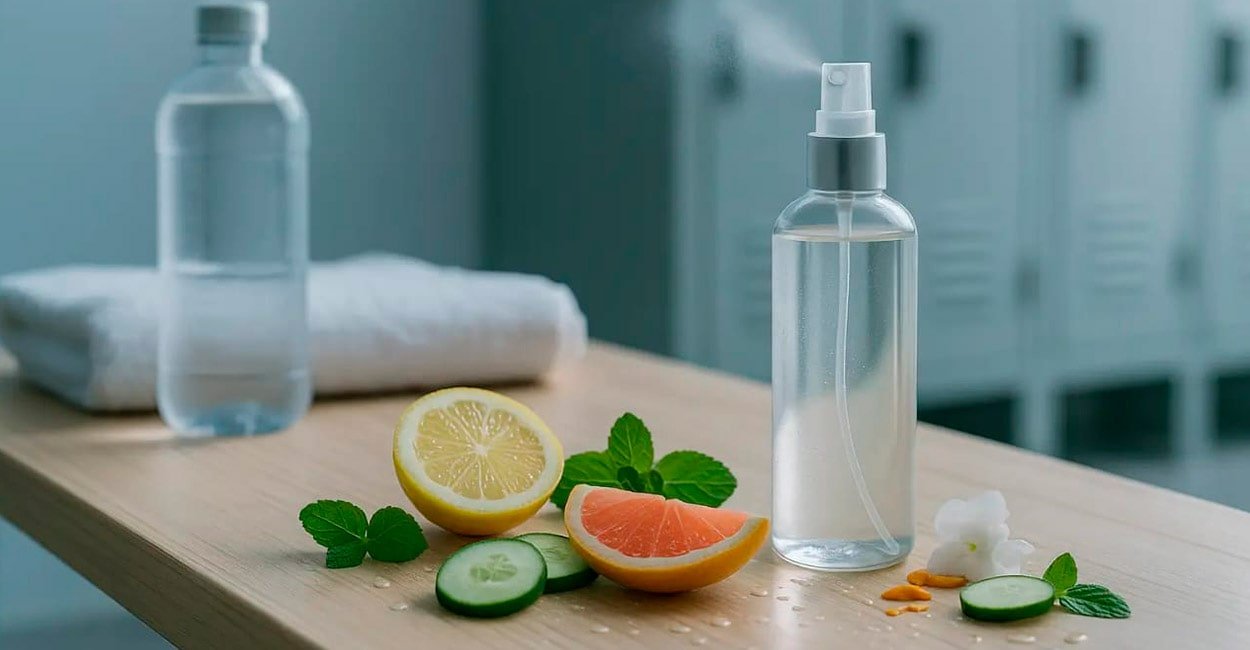
- Body mist for the gym, Complete guide to use, choice and etiquette.
- World Cup of Soccer, The complete history and surprising facts that will amaze you
- Sports communities, how soccer connects millions of people around the world
Conclusion: sports and leisure as pillars of a balanced life
Sports and leisure should not be seen as obligations or rigid goals, but as complementary tools for a more balanced, healthy, and enjoyable life. While sports contribute to physical conditioning, discipline, and self-improvement, leisure offers lightness, emotional recovery, and moments of disconnection that are essential for well-being.
By choosing practices that align with your lifestyle, personality, and routine, you significantly increase the chances of maintaining these habits over time. The balance between physical activity and leisure moments makes daily life more sustainable, preventing the physical and emotional burnout that often occurs when performance is the only priority.
Comparisons that can help you choose sports and leisure activities
Walking or running?
Walking is ideal for those seeking consistency, low impact, and everyday well-being. Running, on the other hand, suits people looking for higher intensity, physical challenge, and improved cardiovascular fitness.
Gym or home workout?
The gym offers structure, a wide variety of equipment, and a motivating environment. Home workouts provide practicality, flexible schedules, and lower costs, making them an efficient option for those with busy routines.
Individual or group activities?
Individual practices encourage autonomy, personal focus, and adaptation to your own pace. Group activities, whether sports or leisure-based, promote social interaction, shared experiences, and a sense of belonging.
More than choosing the “best option,” what truly matters is finding combinations that make sense for you. Alternating sports and leisure activities throughout the week helps keep the body active, the mind refreshed, and your relationship with time healthier.
This guide serves as a starting point to explore possibilities, try different practices, and build a routine that combines movement, enjoyment, and balance in a sustainable way.
Click here to access more content about Sports & Leisure.